

Review · NEW DELHI
4-Days Private Golden Triangle Tour: Delhi, Agra & Jaipur by Car
The Taj Mahal at sunrise is the emotional centerpiece here, but the trip works because it links three very different Indian cities without making you arrange every transfer yourself. You move from Delhi’s crowded lanes to Agra’s Mughal monuments, then on to Jaipur’s forts and pink sandstone palaces with one private car and local guides in each city.
I like the private door-to-door transport, especially for a route where road travel and hotel changes can eat up time. I also like the chance to shape the day around your interests. Guides such as Maahi, Sadiq, Arham, Aman, and Brajesh have been praised for clear storytelling, patient help, safety advice, and taking excellent photos.
The main catch is pace. Four days covers a lot of ground, and the base price needs careful checking because accommodation options vary and monument admission is listed separately at about $70 per person. You should also confirm the final hotel category and what is included before paying.
Key points to know before booking
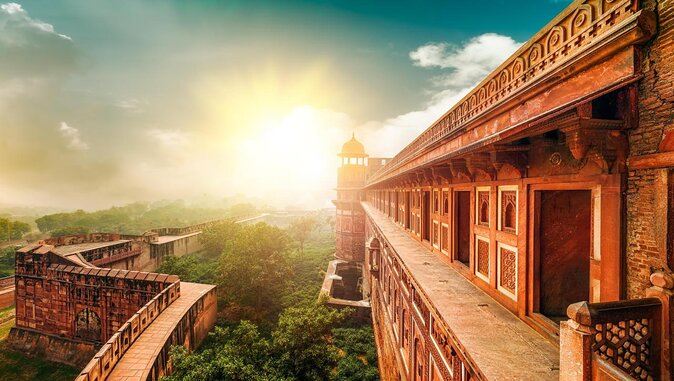
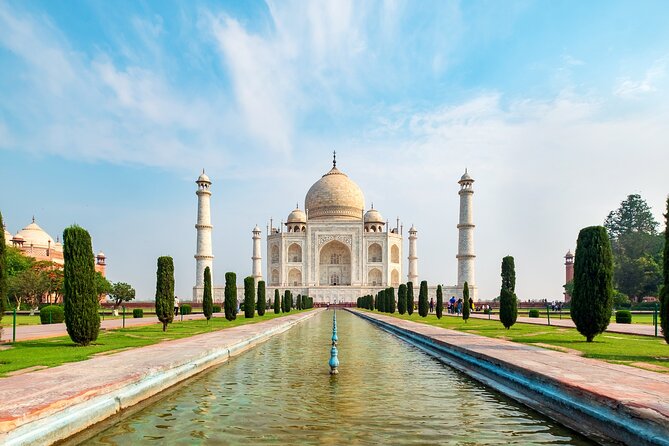
- Sunrise at the Taj Mahal: An early start gives you the best chance of cooler air and softer light, followed by Agra Fort and the Baby Taj.
- Private car and chauffeur: Your group travels alone, with hotel and airport transfers, fuel, tolls, parking, and bottled water included.
- Three different cities, three different moods: Delhi is urban and layered, Agra is focused on Mughal monuments, and Jaipur brings forts, palaces, markets, and Rajput architecture.
- Local guides change by city: This can work well because each guide focuses on local sites. Names praised in past visits include Maahi, Sadiq, Arham, Aman, and Brajesh.
- Monument fees need checking: The tour information lists entrance tickets as excluded at approximately $70 per person, despite other wording that suggests tickets may be included.
- Flexible final transfer: On the fourth day, you can return to Delhi or request a drop at Jaipur Airport.
Why this private Golden Triangle route works
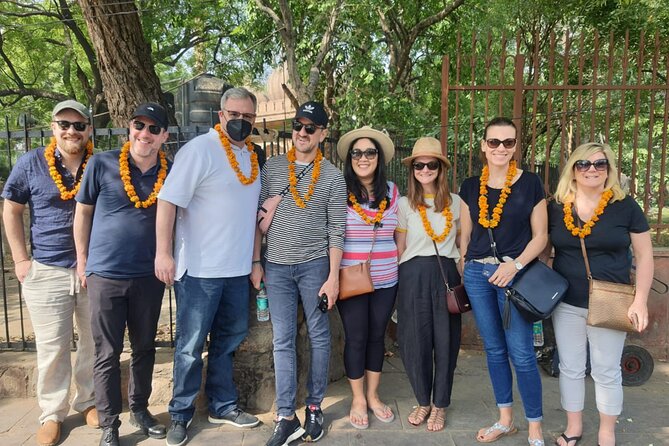
India’s Golden Triangle is an efficient first look at northern India. Delhi gives you imperial, religious, and market life. Agra supplies the grand Mughal monuments. Jaipur shifts the mood to Rajasthan, with hill forts, palace courtyards, observatories, and pink sandstone.
The private format matters more here than it would on a compact city tour. You spend long stretches in the car between Delhi, Agra, Jaipur, and Delhi. With only your own party aboard, you can ask for a short stop, adjust the pace, or spend more time at a site without waiting for a large group.
The tour is offered at about $171 per person, but treat that as a starting price rather than the complete cost. Three, four, or five-star accommodation can be selected, and the hotel choice affects the total. Monument admission is specifically listed at about $70 per person outside the tour price. Tips are also extra.
That can still be good value if you want a private chauffeur, city guides, hotel transfers, parking, tolls, fuel, bottled water, and three nights of accommodation with breakfast. It is less attractive if you already have hotels booked or prefer to buy each monument ticket yourself. Ask for an itemized total before booking, especially since the information about monument tickets is not fully consistent.
More Luxury Multi-Day Tours in India
- 3-Days Private Golden Triangle Tour: Delhi, Agra & Jaipur by Car
★ 5.0 · 1,098 reviews - 3-Day Private Luxury Golden Triangle Tour to Agra and Jaipur From New Delhi
★ 5.0 · 424 reviews - Private Luxury Delhi – Agra – Jaipur Golden Triangle Tour – 3 Nights 4 Days
★ 5.0 · 306 reviews
Day 1: Qutub Minar and Delhi’s Mughal heart
You can arrange pickup from Delhi, Noida, Gurugram, Ghaziabad, or Faridabad, with a start time between 7 and 11 a.m. An earlier start is sensible because the first day contains a remarkable number of stops.
Qutub Minar is the first major visit. Built in 1193 by Qutub-ud-din Aibak, the red sandstone tower is covered with carved detail and rises dramatically above the surrounding grounds. You get about an hour here. Entrance is listed as separate, so confirm whether your booking package covers it.
The Lotus Temple provides a sharp contrast. Its white, flower-shaped design belongs to the modern city rather than Delhi’s medieval and Mughal past. You have around 30 minutes, enough to see the architecture and enter the Baháʼí House of Worship if access conditions allow. The visit is free.
The route then passes several major New Delhi landmarks. You see the Red Fort from outside, along with the India Gate area, the Parliament House, and the broad government district planned by Edwin Lutyens and Herbert Baker. These are drive-by views, not full visits, so keep your expectations clear. The Red Fort itself deserves more time if you want to explore its courtyards and museums.
Agrasen Ki Baoli is a quick but memorable stop. This old stepwell drops below street level in a surprisingly quiet pocket of central Delhi. Its geometric stairways make good photographs, and its urban legends add a slightly spooky edge without requiring much time.
Humayun’s Tomb is the day’s major architectural visit. Commissioned by Humayun’s widow, it is often described as India’s first garden tomb and helped shape later Mughal design. The formal gardens and white-and-red stone work reward a slower walk. Plan on about an hour, with admission listed separately.
After lunch, the tour turns toward Old Delhi. Chandni Chowk is not a polished sightseeing district. It is a tight, noisy market area where spice shops, silver sellers, sari stores, food stalls, and passing traffic compete for space. That is exactly why it is useful with a guide and driver. The included tuk-tuk ride adds local flavor and saves you from trying to navigate every lane on foot.
Jama Masjid, built in 1656, is across from the Red Fort. Its large sandstone courtyard gives you a sense of Mughal scale, but dress modestly and expect possible restrictions or charges for some visitors. Khari Baoli, one of Asia’s largest wholesale spice markets, brings the strongest sensory finish to the Delhi day. The piles of spices and dried fruit are memorable, though the area can feel intense if you are tired.
You then drive roughly three hours to Agra. This is a full day, not a gentle introduction. If you want time for a relaxed meal or a longer stop at the Red Fort, ask your guide early in the day what can be shortened.
Day 2: The Taj Mahal, Agra Fort, and the Baby Taj
The early Taj Mahal visit is the right choice. You are there for about three hours, which gives you time to pass through security, walk toward the monument, see the marble from different angles, and hear the story of Shah Jahan and Mumtaz Mahal.
The sunrise timing helps with heat and light, but no sunrise is guaranteed to be dramatic. Fog, haze, and crowds can change the mood. The important advantage is starting before the day becomes hotter and busier. A battery van is included for the trip from the parking area to the entrance gate, a small convenience that matters when the morning is still dark or when you are conserving energy.
A good Agra guide adds real value here. Sadiq has been praised for finding less crowded routes and good photo spots. Maahi is noted for patience, safety advice, humor, and strong historical explanations, while Amaan and Aman have been singled out for answering questions and helping with photographs. Guide assignments are not guaranteed, but the pattern to look for is a guide who explains the symbolism and building process rather than simply pointing out marble details.
Agra Fort follows the Taj Mahal. Built in the 17th century, it combines defensive walls with palaces, courtyards, pavilions, and views toward the Taj. Give this site your attention. It is more than a quick second monument, and its rooms help explain how the Mughal court lived and governed.
Itmad-ud-Daulah, often called the Baby Taj, is smaller and more intimate. It was the first Mughal monument built entirely from white marble and is known for delicate pietra dura inlay. The scale makes it a useful counterpoint to the Taj Mahal. You can look closely at the craftsmanship instead of being overwhelmed by the size of the main mausoleum.
Lunch is arranged with a guide’s restaurant recommendations, but the meal is not listed as included. This is a good place to ask about the cost before ordering. After lunch, the drive to Jaipur takes about three hours, followed by hotel check-in.
This second day is likely the strongest part of the tour, but it also requires the earliest start and careful energy management. Comfortable shoes, modest clothing, water, and a phone with a valid photo ID are practical essentials. Monument entry requires valid photo identification for all members of your party.
Day 3: Jaipur forts, palace courtyards, and pink sandstone
Jaipur’s sightseeing begins after breakfast with Jaigarh Fort. Built in 1726 by Maharaja Sawai Jai Singh II, it sits in the Aravalli hills above the city. The fort gives you a different kind of experience from Agra’s enclosed palaces: broad views, defensive walls, and a sense of military planning.
The two-hour visit may involve more walking than the shorter city stops. If stairs or uneven surfaces are difficult for anyone in your group, tell the guide early. Jaigarh is a better fit for people who enjoy forts and views than for anyone wanting a purely relaxed palace day.
The City Palace brings you back into the center of Jaipur. Formerly the seat of the Maharaja, it combines courtyards, gardens, gateways, and palace buildings. You have around an hour, enough to see the main spaces but not every collection or room in detail. Entrance is listed separately.
Jal Mahal is a brief roadside stop at Man Sagar Lake. The palace appears to float in the water, and the main appeal is the view and the unusual setting rather than a full interior visit. Allow about 30 minutes.
Hawa Mahal, the Palace of Winds, is another short stop. Its five-storey pink and red sandstone façade has rows of small windows and screens. The structure was designed so royal women could observe street life without being seen. The exterior photograph is the main event on this itinerary, since only half an hour is scheduled.
Jantar Mantar closes the sightseeing day. This UNESCO-listed observatory contains large-scale astronomical instruments built for measuring time and tracking the sky. A guide who explains how the instruments worked will make the stop far more rewarding than a quick walk among monumental shapes. About 45 minutes is planned, and admission is listed separately.
You can ask the Jaipur guide about dinner and local Rajasthani food. Brajesh has been praised for local suggestions, flexibility, and a personal approach. Some past itineraries also included shopping or a visit to the Monkey Temple when requested, but those additions are not guaranteed and should be agreed on in advance.
More Luxury Multi-Day Tours in New Delhi:
- 5 Day Private Luxury Golden Triangle trip Agra &Jaipur from Delhi
★ 5.0 · 259 reviews - From Delhi: Private 4-Day Golden Triangle Luxury Tour
★ 4.8 · 226 reviews - From Delhi: Private 3-Day Golden Triangle Luxury Tour
★ 4.9 · 56 reviews - Private 4-Days Golden Triangle Luxury Tour From Delhi
★ 5.0 · 22 reviews
Day 4: A long return to Delhi
The final drive to Delhi takes about four hours, though road conditions can affect the timing. If you have a flight, build in a generous margin and provide the flight details when arranging an airport pickup or drop-off.
You can instead finish at Jaipur Airport. That option is useful if your next destination is elsewhere in India, but confirm the transfer plan and any timing limits before the trip begins.
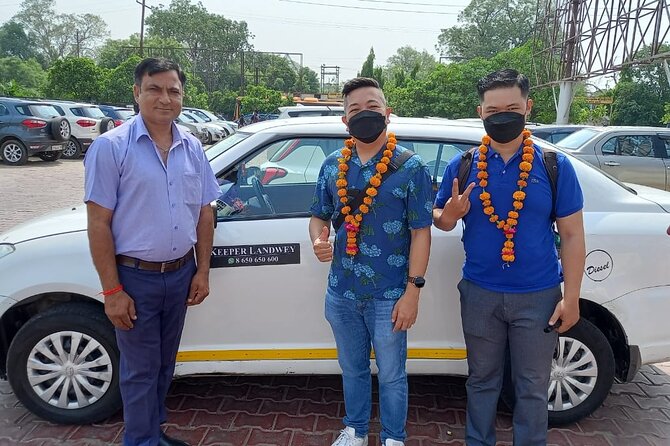
The private chauffeur is one of the tour’s strongest practical features on this day. Past visitors have praised drivers such as Mukul, Manoj, Sunil, and Dushyant for punctual pickups, safe driving, and steady support through the long route. The same driver generally remains with your party, while the local guides change by city.
Vehicle size depends on group size. One or two people use a four-seat sedan, three to five use a six-seat wagon, six to nine use a nine-seat van, and ten to twelve use a twelve-seat van. Larger groups should understand that a private vehicle does not mean a small vehicle.
Guides, hotels, and the details that shape the trip
The guide system is local rather than one person accompanying you through all four days. That is sensible because Delhi, Agra, and Jaipur each require different site knowledge. It also means the quality and personality can vary from day to day.
Look for a guide who listens. Several strong guide experiences involved adjusting the route, finding better photo locations, helping with safety, or making room for a market or shop the group specifically wanted to visit. Arham, for example, has been praised for combining historical explanation with a relaxed manner, while the Delhi guide Zain was noted for clear commentary on the city’s culture and monuments.
Accommodation comes in three-star, four-star, or five-star versions with breakfast. Rooms are normally twin-sharing. Three people generally receive a triple room unless you pay extra for two rooms. On December 24 and 31, hotel blackout rules require a gala dinner costing an additional $99 per person if you choose hotel accommodation.
The package includes parking, tolls, fuel, taxes, service charges, bottled mineral water, three breakfasts when accommodation is selected, and the Taj Mahal battery van. Tips for guides and the driver are not included. Monument entrance fees are also listed as an extra $70 per person, so make that one of your first booking questions.
Free cancellation is available up to 24 hours before the local start time. Changes made inside that period are not accepted, so do not wait until the last minute to alter pickup details.
Who should book this four-day tour?
I would choose this trip if you want to see the Golden Triangle efficiently and prefer a private car over trains or group buses. It is especially useful for first-time visitors who want help with Delhi’s Old City, direct access to Agra and Jaipur, and guides at the major monuments.
Families and small groups should benefit from the private format. So should solo visitors who want the structure of a planned route and the comfort of a chauffeur. Female groups may appreciate requesting a female guide if available, since Maahi has been praised for being friendly, attentive, and alert to personal safety.
I would hesitate if you dislike early mornings, long drives, or changing hotels. The itinerary is full, and Delhi alone receives enough stops for a demanding first day. Independent visitors who already know the cities may prefer a slower plan with extra nights in Agra or Jaipur.
Should you book it?
Book it if your priority is coverage, convenience, and private guiding rather than a slow vacation. The best parts are the sunrise Taj Mahal visit, the contrast between Old Delhi and New Delhi, the detailed Agra sequence, and the chance to adjust parts of the route with your own guide.
Before committing, confirm four things: the exact hotel category, the final monument-ticket cost, the assigned pickup and airport arrangements, and whether any requested stops replace part of the scheduled route. At about $171 per person before possible extras, it can be strong value for a private four-day circuit, but only if the total price is clear.
FAQ
How long is the Golden Triangle tour?
The tour lasts approximately four days and includes three nights. The route covers Delhi, Agra, Jaipur, and a return to Delhi or an optional drop at Jaipur Airport.
Is this a private tour?
Yes. Only your own group participates, and transport is provided in a private air-conditioned vehicle.
What cities does the tour visit?
The itinerary includes New Delhi and Old Delhi, Agra, and Jaipur. Delhi is the starting and usual finishing point.
Are hotels included?
Hotels are included only if you select an accommodation option. You can choose three-star, four-star, or five-star hotels with breakfast.
Are monument entrance fees included?
The tour information lists monument entrance fees as an additional cost of about $70 per person. Because other descriptions use different wording, confirm the exact inclusion with the provider before booking.
Is the Taj Mahal open every day?
No. The Taj Mahal is closed every Friday. If you start on a Thursday, the itinerary notes that your second day will be in Jaipur, so check the schedule carefully.
What vehicle will be used?
One or two people use a four-seat sedan. Three to five people use a six-seat wagon, six to nine use a nine-seat van, and ten to twelve use a twelve-seat van.
Can the tour be customized?
Yes. The tour can be customized to your requirements. You can also request a Delhi, Agra, or Jaipur pickup location, and airport pickup requires your flight details at booking.
New VIP and luxury tours around New Delhi
- From Delhi: Taj Mahal & Agra Fort Luxury Tour with 5* Lunch★ 5.0 · 13 reviews
- Private 4-Days Golden Triangle Luxury Tour From Delhi★ 5.0 · 22 reviews
- From Delhi: Private 3-Day Golden Triangle Luxury Tour★ 4.9 · 56 reviews
- From Delhi: Private 4-Day Golden Triangle Luxury Tour★ 4.8 · 226 reviews
- From Delhi: 5 Days Private Luxury Golden Triangle Tour★ 3.7 · 10 reviews
- From Delhi Exclusive Taj Mahal Private Tour with Luxury Car★ 5.0 · 21 reviews
- Agra: Taj Mahal Vip tickets with Professional Photographer★ 3.6 · 5 reviews
- 5 Day Private Luxury Golden Triangle trip Agra &Jaipur from Delhi★ 5.0 · 259 reviews
More of the best New Delhi Luxury Tours

All Inclusive Private Taj Mahal Luxury Tour from Delhi by Car
Read our review →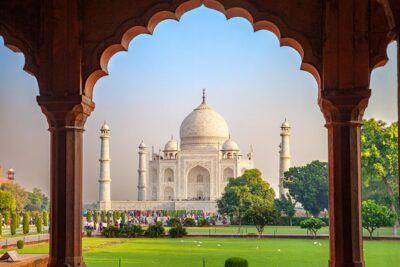
3-Days Private Golden Triangle Tour: Delhi, Agra & Jaipur by Car
Read our review →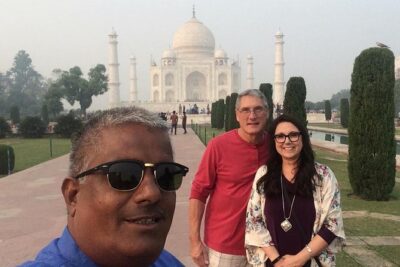
Four-Day Private Luxury Golden Triangle Tour to Agra and Jaipur From New Delhi
Read our review →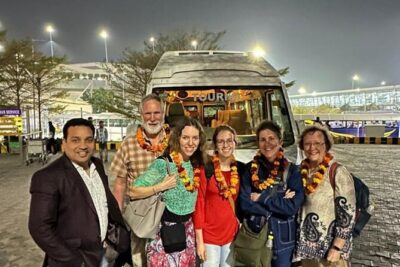
Private Luxury Delhi – Agra – Jaipur Golden Triangle Tour – 3 Nights 4 Days
Read our review →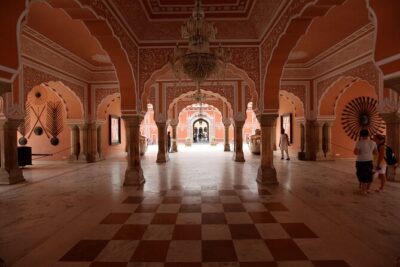
5 Day Private Luxury Golden Triangle trip Agra &Jaipur from Delhi
Read our review →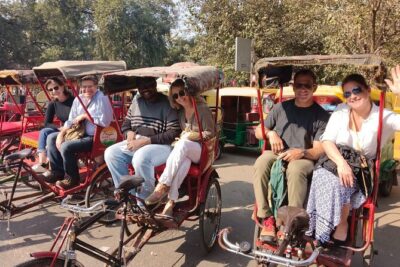
From Delhi: Private 4-Day Golden Triangle Luxury Tour
Read our review →
From Delhi Exclusive Taj Mahal Private Tour with Luxury Car
Read our review →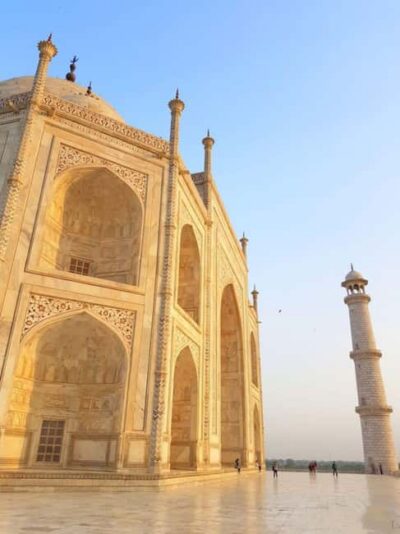
From Delhi: Taj Mahal & Agra Fort Luxury Tour with 5* Lunch
Read our review →Lists this tour is ranked in