Review · NEW DELHI
3-Day Private Luxury Golden Triangle Tour to Agra and Jaipur From New Delhi
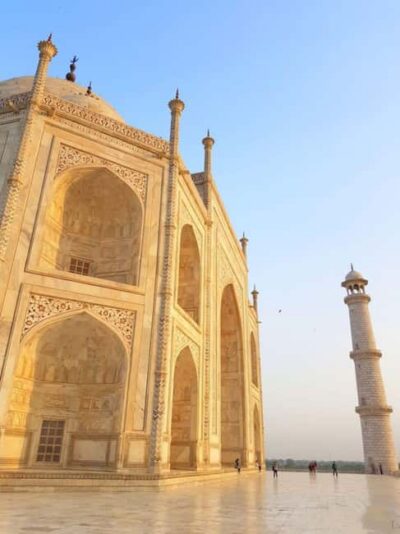
The sunrise visit to the Taj Mahal is the heart of this three-day rush through India’s Golden Triangle. You also get a private car, a different local guide in each city, and a well-planned route linking Delhi, Agra, and Jaipur. I like the Old Delhi rickshaw ride and the chance to see both the grand monuments and everyday India in the same trip. I also like the driver arrangement, since a calm professional behind the wheel matters greatly on India’s crowded roads.
The catch is simple: this is a full, fast itinerary. Day one covers much of Delhi before a long drive to Agra, day two begins before sunrise and ends in Jaipur, and day three finishes with a drive back to Delhi that can reach 9 PM. You will see a lot, but you will not have much free time.
Key points to know before booking
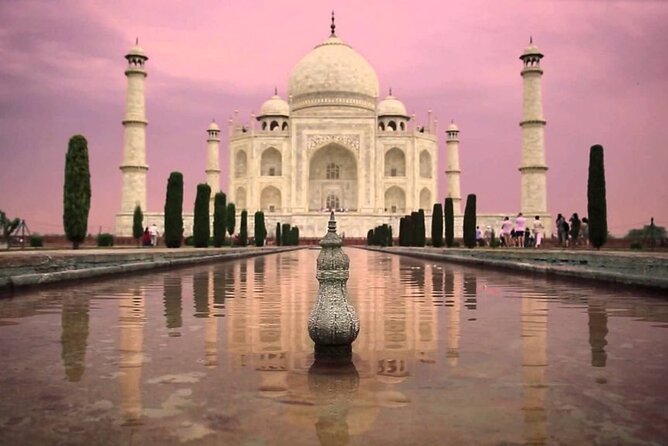
- Sunrise at the Taj Mahal: The early start is tiring, but it gives you the tour’s most memorable setting and cooler morning conditions.
- Three local guides: A new guide in Delhi, Agra, and Jaipur gives each city a local voice. Guides including Varun, Manoj, Himanshu, Pinky, and Aashiya have been praised for clear explanations and helpful photo tips.
- Private car and driver: You travel only with your own group in an air-conditioned sedan, SUV, or van, depending on party size.
- Old Delhi by rickshaw: This short ride adds movement and street life to a day otherwise filled with monuments.
- Optional hotel levels: You can choose no accommodation, 4-star hotels, or 5-star hotels, with two nights included in the hotel packages.
- Shopping is optional: Tell the coordinator if you want to skip shops. This matters because some stops can turn into sales demonstrations.
What this three-day Golden Triangle route really feels like
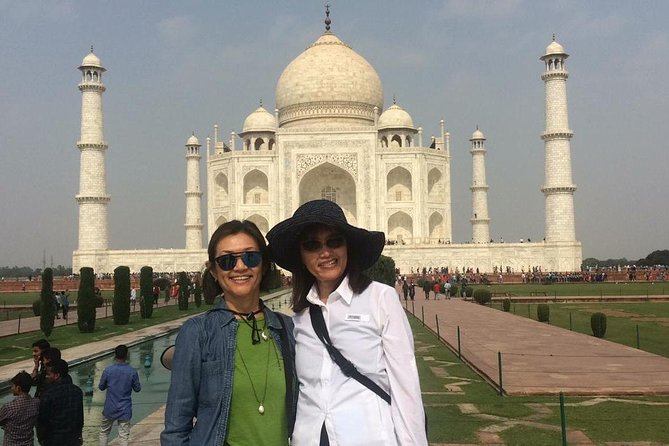
The Golden Triangle connects Delhi, Agra, and Jaipur in a compact loop. Delhi gives you imperial avenues, Mughal monuments, mosques, and crowded market streets. Agra brings the Taj Mahal and the Mughal forts and tombs around it. Jaipur finishes with hilltop forts, pink sandstone, royal palaces, and astronomical instruments.
A private tour is useful here because the three cities are not close together. You do not need to arrange separate cars, stations, hotels, guides, and monument tickets. Your driver stays with you for the journey, while local guides take over at the main sights.
The tour costs about $164.67 per person, but check the exact package before paying. Some options include two hotel nights and breakfast, while the lower-priced option may exclude accommodation. Monument tickets are also extra, listed at about $65 per person. Lunch, dinner, and gratuities are not included.
That price can be good value if you want the whole route handled for you. It is less attractive if you already have hotels, prefer public transport, or want long stretches of unplanned time. The value rests mainly in the private driver, the city guides, and the time saved at a difficult-to-organize set of sights.
More Luxury Multi-Day Tours in India
- 3-Days Private Golden Triangle Tour: Delhi, Agra & Jaipur by Car
★ 5.0 · 1,098 reviews - 4-Days Private Golden Triangle Tour: Delhi, Agra & Jaipur by Car
★ 5.0 · 406 reviews - Private Luxury Delhi – Agra – Jaipur Golden Triangle Tour – 3 Nights 4 Days
★ 5.0 · 306 reviews
Day one: Delhi’s monuments, markets, and Mughal corners
The first day is ambitious. Depending on your pickup time and traffic, you visit a long list of Delhi sights before driving toward Agra. Your car is air-conditioned, mineral water is provided, and the schedule can be adjusted to some degree, but Delhi traffic can change the day’s rhythm.
Qutub Minar
Qutub Minar is a strong opening stop. The tall, carved minaret dates to the early Delhi Sultanate and was begun by Qutub-ud-din Aibak in 1193. Its proportions and detailed stonework are easy to appreciate from the surrounding grounds, though the listed visit is about an hour and the admission fee is extra.
Your guide can help place the monument within Delhi’s changing dynasties rather than leaving you with a tower and a date. Wear comfortable shoes, since the sightseeing days include plenty of walking.
Lotus Temple and India Gate
The Lotus Temple offers a change of mood. Its white, flower-shaped design was completed in 1986, and the building is known for its unusual architecture. Entry is free, though the temple is closed on Mondays, so check your starting day.
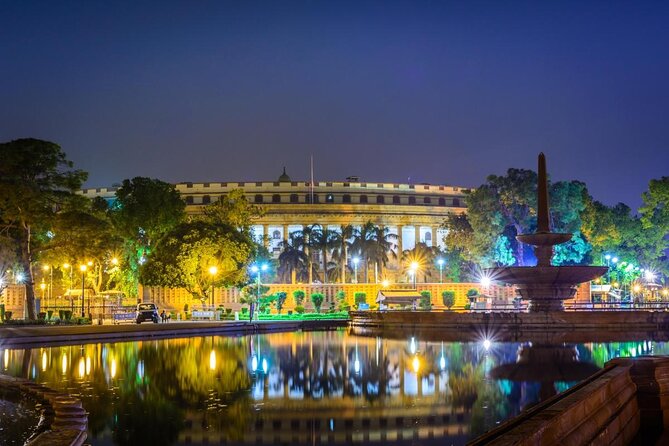
India Gate is a war memorial near the grand government district. It is primarily a photo and orientation stop, usually lasting about 30 minutes. You may also see Parliament House and Rashtrapati Bhavan from outside, depending on access and the day’s timing.
These stops show two very different Delhis: the modern capital with its broad ceremonial avenues, and the older city shaped by sultans, emperors, and trading streets.
More Private Luxury Tours in India
- Four-Day Private Luxury Golden Triangle Tour to Agra and Jaipur From New Delhi
★ 5.0 · 807 reviews - 5 Day Private Luxury Golden Triangle trip Agra &Jaipur from Delhi
★ 5.0 · 259 reviews - From Delhi Exclusive Taj Mahal Private Tour with Luxury Car
★ 5.0 · 21 reviews - From Delhi: 5 Days Private Luxury Golden Triangle Tour
★ 3.7 · 10 reviews
Agrasen Ki Baoli and Humayun’s Tomb
Agrasen Ki Baoli is a compact stepwell in central Delhi. Its descending rows of stone steps make it an unusual stop amid the city’s modern streets. The visit is brief, around 15 minutes, but it gives you a close look at an old water structure without requiring a long detour.
Humayun’s Tomb deserves more time. Commissioned in 1558 by Humayun’s chief consort, Bega Begum, it is an important Mughal tomb complex with gardens and strong architectural links to the Taj Mahal. If you have only seen photographs of the Taj, this stop helps you recognize the earlier Mughal design ideas that later became more famous in Agra.
Admission is extra, and an hour goes quickly. I would pay attention to the guide here, since the gardens, symmetry, and building design are more rewarding with context.
Chandni Chowk, Jama Masjid, and the rickshaw ride
Old Delhi is where the day becomes more sensory. Chandni Chowk is a dense market district selling spices, dried fruit, silver jewelry, saris, oils, and everyday goods. You will see narrow lanes, busy shops, and a much less formal side of the capital.
Jama Masjid, built by Shah Jahan between 1650 and 1656, is one of India’s largest mosques. Modest dress is important, and admission may apply. The nearby Red Fort is also part of the Old Delhi setting, though the detailed schedule gives more attention to the mosque and market than to a full Red Fort visit.
The included rickshaw ride lasts about 30 minutes. It is not a long sightseeing excursion, but it is a practical way to experience the packed lanes without trying to navigate them yourself. Keep your belongings secure and expect the ride to be lively rather than smooth.
After lunch, you take the Yamuna Expressway toward Agra. The drive is listed at roughly three hours, though traffic and the time you spend at the Delhi sights can alter that. You check into your Agra hotel and have the evening free. That free time is useful because the following morning starts very early.
Day two: the Taj Mahal at sunrise, then Agra and Jaipur
The second day contains the tour’s biggest reward and its hardest schedule. Plan for an early wake-up, especially if you want the Taj Mahal at sunrise. Weather can affect the sunrise view, so the exact conditions are not guaranteed, but the early visit remains a smart choice.
The Taj Mahal before breakfast
The Taj Mahal visit takes about three hours, including the battery bus between the parking area and the monument. Your local guide accompanies you inside and helps with the entrance process. Monument admission is not included, so budget for that separately.
Morning light changes the marble from cool gray to pale pink and white. The setting is also generally more comfortable than the heat later in the day. You should expect security checks, walking, and crowds even at this hour, so carry only what you need.
The guides are often especially helpful here with photographs. Manoj, one guide named in guest feedback, has been praised for his storytelling at Agra, while other guides have helped with timing and photo positions. Guide assignments can change, but the format remains the same: a local guide for the monument, then private transport afterward.
Agra Fort and Itmad-ud-Daula
Agra Fort gives the Taj Mahal a political and human context. This vast Mughal fort contains courtyards, palace rooms, and views across the Yamuna toward the Taj Mahal area. The visit takes about an hour, with admission extra.
Itmad-ud-Daula is often called the Baby Taj. It is smaller and more intimate than the Taj Mahal, with gardens, delicate decoration, and a lighter feel. The scheduled stop is about 30 minutes, so you will need to move at a reasonable pace.
I like this sequence because the Taj Mahal is not treated as an isolated photo stop. The fort and Baby Taj show how Mughal architecture developed, and they give you different scales of the same artistic tradition.
The road to Jaipur
After Agra, you drive to Jaipur. The transfer is listed at about five hours, and that makes day two a long one. You arrive, check in, and spend the night.
The 4-star option may include hotels such as Sarovar Premiere Jaipur or a similar property. The 5-star package lists hotels such as InterContinental, Hilton, or Radisson Jaipur City Center, or a similar property. Hotel names can change, so confirm the final choice before departure.
Two nights of breakfast are included when you book a hotel package. Rooms are normally twin-sharing. Three people generally share a triple room unless you pay more for two rooms.
Day three: Jaipur’s forts, palaces, and pink sandstone
Jaipur’s sightseeing starts after breakfast and covers the city’s main monuments. The route is sensible, but the day remains busy. You finish with a roughly four-hour drive to Delhi, arriving around 9 PM, or you can request a drop-off at Jaipur Airport.
Panna Meena ka Kund and Amber Fort
Panna Meena ka Kund is a geometric stepwell near Amber Fort. The stop lasts about 15 minutes, making it a quick photo and architecture break rather than a long exploration.
Amber Fort, also called Amer, is the day’s major Jaipur sight. Built by Raja Man Singh I on a hill above Maota Lake, it combines defensive walls, courtyards, palace rooms, and decorative details. Set aside around two hours. The hill setting makes the approach memorable, but comfortable shoes and sun protection help.
The package information specifically says the company does not organize elephant activities. That is useful if you want a vehicle and walking-based visit rather than an elephant ride.
Jal Mahal and the City Palace
Jal Mahal appears to float in the middle of Man Sagar Lake. You usually view it from the shore, and the stop lasts about 30 minutes. It is mainly a scenic pause, with the lake and palace providing one of Jaipur’s most recognizable photographs.
City Palace takes about an hour and introduces Jaipur’s royal court life. The complex was built in 1721 as the administrative and ceremonial seat of the Maharaja of Jaipur. Admission is extra, and a guide makes the courtyards, collections, and royal spaces easier to follow.
Jantar Mantar and Hawa Mahal
Jantar Mantar is one of Jaipur’s most unusual sights. Built in 1734, it contains 19 large astronomical instruments commissioned by Sawai Jai Singh II. These are not museum replicas hidden behind glass. They are open-air structures designed to measure celestial positions and time, and they make much more sense when your guide explains how they worked.
Hawa Mahal, the Palace of Winds, is a short stop of about 15 minutes. Its pink and red sandstone facade is best appreciated from outside, where the rows of windows create the famous honeycomb effect. This is another place where a camera helps, but do not expect a long interior visit from the scheduled timing.
Gaitore Ki Chhatriyan
Gaitore is a quieter final stop. The site contains carved royal cenotaphs used for Jaipur’s former Maharajas. It offers a calmer contrast to the City Palace and Hawa Mahal, with detailed Rajput stonework in a more peaceful setting.
After Jaipur, you begin the return to Delhi. The scheduled drive is about four hours, but the actual arrival can shift with traffic and stops. If you need a specific arrival time, discuss it with the coordinator before the third day.
The private car and the people who make the route work
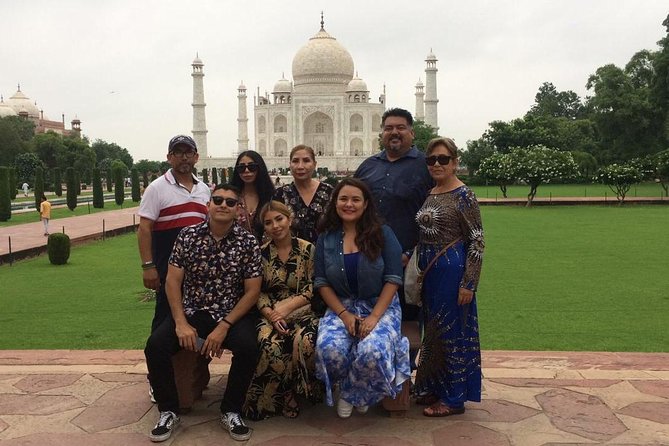
The car is one of the strongest reasons to choose this tour. One or two people receive a four-seat sedan, three or four people a six-seat SUV, and groups of five to ten a ten-seat van. Larger luggage may require a vehicle upgrade, so tell the company about suitcases before the trip, not after arriving in India.
The driver remains with you for the three days. Drivers named in guest feedback include Ashok, Sharwan, Rajesh, Madan, Jarnail, Jeet, Surinder, Devender, Paramjeet, and Rajinder Singh. Assignments vary, but the important point is continuity: one driver handles the long intercity routes and waits while you visit sights.
Driving in Delhi, Agra, and Jaipur can look chaotic from the passenger seat. The strongest praise for this tour has focused on drivers who are punctual, patient, safe, and good at handling traffic. You should still expect horns, sudden lane changes, and slow sections. This is not a trip where you want to rent a car yourself.
The guides change by city. Varun has been noted for his Delhi explanations and restaurant suggestions. Manoj has been praised for his Agra storytelling, while Himanshu has helped explain Jaipur’s buildings and layout. Other guides, including Pinky, Aashiya, Misha, Attul, Harry, and Jitu, have also been assigned.
The guides can help buy monument tickets so you do not spend time in the ticket line. They can also adjust the pace, skip lunch if you prefer, and modify some sightseeing requests. Ask clearly for what you want. The tour is private, so you do not need to follow another group’s schedule.
Hotels, meals, shopping, and extra costs
The hotel packages give you two nights, one in Agra and one in Jaipur, plus two breakfasts. The 5-star option is aimed at people who want a more comfortable base after long driving days. The 4-star option should suit you if you want clean, practical accommodation without paying for the highest category.
Lunch and dinner are not included. The guides can help with restaurant choices, but meals are your own expense. Bottled mineral water is provided during the drives.
Shopping can be added or skipped. This is worth discussing before the tour begins. Some stops may involve textiles, jewelry, stonework, scarves, or other local products, followed by a sales pitch. You are not required to buy anything, and a direct request to skip shopping should be made early.
The listed monument cost of about $65 per person is a major extra. Add that to the advertised tour price, along with meals and optional gratuities, when comparing the total cost with a hotel-only package or a self-arranged itinerary.
Who should book this tour?
I would choose this tour for a first visit to India when you want the major sights without managing every transfer yourself. It is especially practical for solo visitors, couples, families, and small groups who value a private car and personal attention.
It also suits a short stop added to a larger trip, such as a visit connected with a conference or travel onward to Bhutan. The tour can cover a great deal in three days, and the private format lets you request changes.
I would not choose it if you want slow mornings, long market visits, or free evenings in each city. The schedule is intense, and the drive back to Delhi on day three can make the final evening very late.
Free cancellation is available up to 24 hours before the start time. You need a valid passport on the day of the tour, and comfortable walking shoes and sunscreen are sensible choices.
Should you book this Golden Triangle tour?
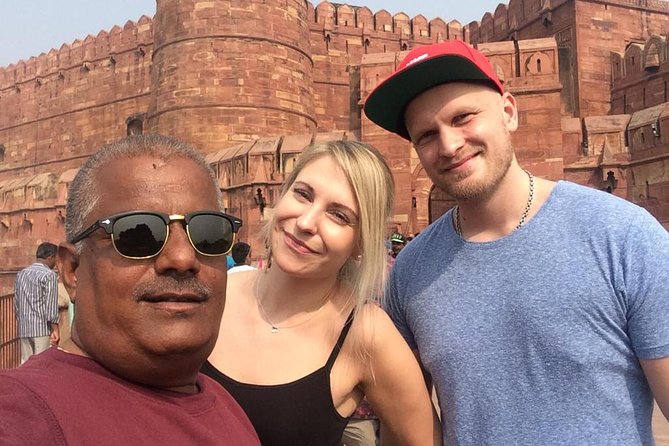
Book it if your priority is seeing the Taj Mahal, Agra Fort, Amber Fort, Jaipur’s palaces, and Delhi’s major sights in a short, organized trip. The private driver and city-by-city guides remove much of the strain, while the sunrise Taj Mahal visit gives the schedule a clear highlight.
Before paying, confirm four things: the hotel category, the final monument-ticket cost, the vehicle size for your luggage, and whether shopping stops are included in your preferred plan. If you accept the early starts and long drives, this is a practical and good-value introduction to northern India.
FAQ
What cities does the tour visit?
The tour visits New Delhi, Agra, and Jaipur. It includes major sights in each city and returns to Delhi on the third day, unless you choose a drop-off at Jaipur Airport.
Is the Taj Mahal visited at sunrise?
Yes. Day two begins early for a guided Taj Mahal visit at sunrise. The sunrise view depends on weather conditions.
Are hotels included?
Hotels are included only when you choose a package with accommodation. The hotel option includes two nights, one in Agra and one in Jaipur, with daily breakfast.
What hotel categories are available?
You can choose a 4-star hotel package, a 5-star hotel package, or an option without accommodation. Specific hotels may include Holiday Inn, Royale Sarovar Portico, Sarovar Premiere, InterContinental, Hilton, or Radisson Jaipur City Center, or similar properties.
Is transportation private?
Yes. The tour is private and includes an air-conditioned car for your group. A sedan is listed for one or two people, an SUV for three or four, and a van for five to ten.
Are monument entrance fees included?
No. Monument tickets are not included and are listed at about $65 per person. Your guide can help you buy the tickets at the monuments.
Are meals included?
Two breakfasts are included when you book a hotel package. Lunch and dinner are not included.
Is the Old Delhi rickshaw ride included?
Yes. A rickshaw ride in Old Delhi is included and lasts about 30 minutes.
Can I skip shopping stops?
Yes. Shopping can be added or skipped. Tell the tour coordinator if you prefer to spend that time at monuments or have more free time.
Can the itinerary be changed?
Yes. The company says it can add, remove, or change monuments and adjust the timing. You can also request an earlier or later return to Delhi on the third day, subject to the route and schedule.
More Luxury Multi-Day Tours in New Delhi
- From Delhi: Private 4-Day Golden Triangle Luxury Tour
★ 4.8 · 226 reviews - From Delhi: Private 3-Day Golden Triangle Luxury Tour
★ 4.9 · 56 reviews - Private 4-Days Golden Triangle Luxury Tour From Delhi
★ 5.0 · 22 reviews - 2-Day Luxury Halong Bay Aspira Cruise from Hanoi
★ 5.0 · 1,517 reviews
More Private Luxury Tours in New Delhi
- VIP Chichen Itza Private Tour
★ 5.0 · 1,782 reviews - Arrival Transfer: Private Luxury 8 Passenger Limousine Service
★ 4.0 · 1,051 reviews - Dubai 3 Hour Private Luxury Yacht Charter with Jet Ski Option
★ 5.0 · 886 reviews - Cu Chi Tunnels – VIP Private Tour
★ 5.0 · 883 reviews
New VIP and luxury tours around New Delhi
- From Delhi: Taj Mahal & Agra Fort Luxury Tour with 5* Lunch★ 5.0 · 13 reviews
- Private 4-Days Golden Triangle Luxury Tour From Delhi★ 5.0 · 22 reviews
- From Delhi: Private 3-Day Golden Triangle Luxury Tour★ 4.9 · 56 reviews
- From Delhi: Private 4-Day Golden Triangle Luxury Tour★ 4.8 · 226 reviews
- From Delhi: 5 Days Private Luxury Golden Triangle Tour★ 3.7 · 10 reviews
- From Delhi Exclusive Taj Mahal Private Tour with Luxury Car★ 5.0 · 21 reviews
- Agra: Taj Mahal Vip tickets with Professional Photographer★ 3.6 · 5 reviews
- 5 Day Private Luxury Golden Triangle trip Agra &Jaipur from Delhi★ 5.0 · 259 reviews
More of the best New Delhi Luxury Tours

All Inclusive Private Taj Mahal Luxury Tour from Delhi by Car
Read our review →
3-Days Private Golden Triangle Tour: Delhi, Agra & Jaipur by Car
Read our review →
Four-Day Private Luxury Golden Triangle Tour to Agra and Jaipur From New Delhi
Read our review →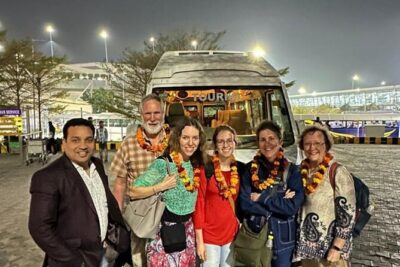
Private Luxury Delhi – Agra – Jaipur Golden Triangle Tour – 3 Nights 4 Days
Read our review →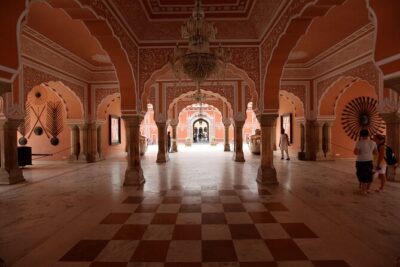
5 Day Private Luxury Golden Triangle trip Agra &Jaipur from Delhi
Read our review →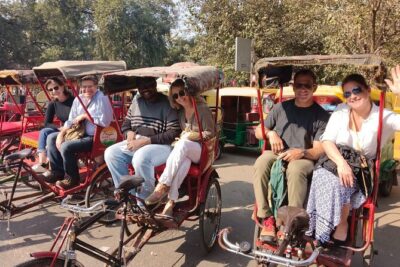
From Delhi: Private 4-Day Golden Triangle Luxury Tour
Read our review →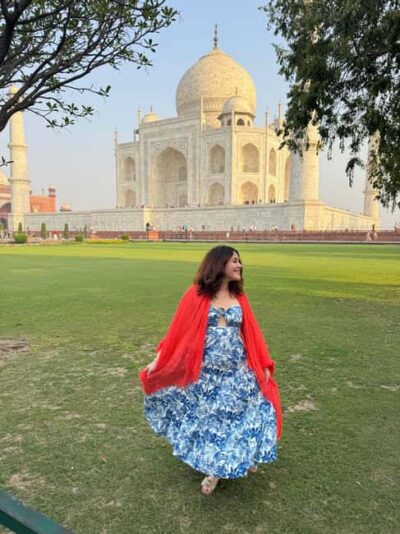
From Delhi Exclusive Taj Mahal Private Tour with Luxury Car
Read our review →