
Review · NEW DELHI
3-Days Private Golden Triangle Tour: Delhi, Agra & Jaipur by Car
Delhi’s Old Delhi lanes, sunrise Taj Mahal visit, and Jaipur palaces make this a serious amount of sightseeing in only three days. You’ll have a private car, separate local guides in each city, monument visits, and a route that handles the awkward logistics between Delhi, Agra, and Jaipur.
I like two things right away: the flexibility of choosing a Delhi pickup between 7 and 11 AM, and the fact that your guides can focus on each city rather than trying to cover all three from one base. Guides such as Maahi, Sadiq, Azzu, Arham, and Kishor have been praised for clear explanations, thoughtful photo stops, and practical help. The catch is the pace. Long drives, early starts, and many major sights leave little room for wandering.
Key points to know before booking
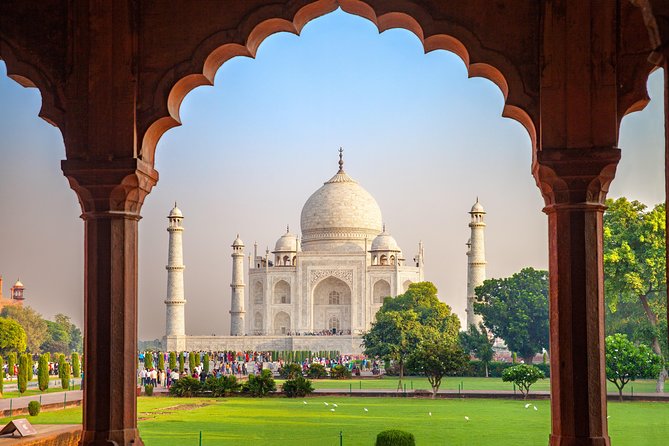
- The Taj Mahal comes first on Day 2, usually at sunrise, which gives you cooler temperatures and a better chance of seeing the monument before the crowds build.
- Delhi is packed into one demanding day, from Qutub Minar and Humayun’s Tomb to Chandni Chowk, Jama Masjid, and Khari Baoli.
- Private guides make the schedule flexible, and the tour can be adjusted to suit your needs.
- The listed price is not the whole cost: monument tickets are extra, shown at about $70 per person, and hotel nights depend on the package you choose.
- Old Delhi includes a tuk-tuk ride, while the Taj Mahal visit includes a battery van from the parking area to the entrance.
- Your return can end in Delhi or at Jaipur Airport, a useful option if Jaipur is your final stop.
What the three-day route is really like

This is a sightseeing sprint, not a slow cultural holiday. You cover three major North Indian cities by private vehicle, with Delhi on the first day, Agra on the second, and Jaipur on the third.
That arrangement works because the cities line up well by road. It also means you spend several hours in the car. The drive from Delhi to Agra takes about three hours, Agra to Jaipur about four hours, and Jaipur back to Delhi about four hours. Traffic can affect those estimates.
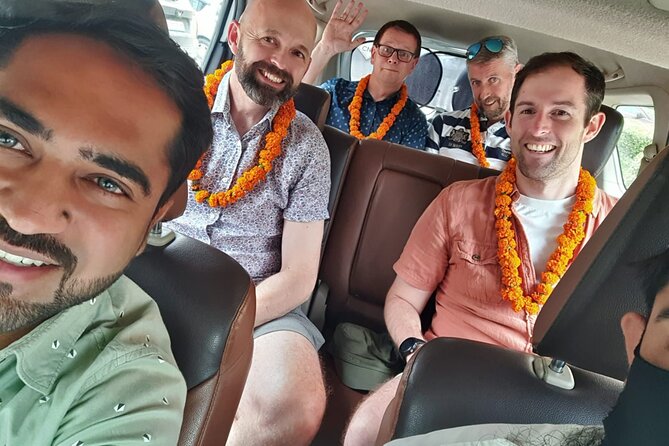
The private setup is important. You are not waiting for a large group at every hotel or monument, and you can ask for a different pace. A private chauffeur handles parking, tolls, fuel, and the intercity drives, while local guides take over for sightseeing. Car sizes range from a four-seat sedan for one or two people to larger vans for bigger parties.
At $127 per person, the tour looks inexpensive for a private three-day route. But add the stated monument fee of about $70 per person, plus tips and any hotel supplement, and the real cost is higher. Even so, the package can offer good value if you want transport, guides, parking, and planning handled in one booking.
More Luxury Multi-Day Tours in India
- 3-Day Private Luxury Golden Triangle Tour to Agra and Jaipur From New Delhi
★ 5.0 · 424 reviews - 4-Days Private Golden Triangle Tour: Delhi, Agra & Jaipur by Car
★ 5.0 · 406 reviews - Private Luxury Delhi – Agra – Jaipur Golden Triangle Tour – 3 Nights 4 Days
★ 5.0 · 306 reviews
Day 1: Qutub Minar opens the Delhi story
You can be collected from Delhi, Noida, Gurugram, Ghaziabad, or Faridabad. The pickup window runs from 7 AM to 11 AM, so you have some control over the morning, though a later start makes an already full day tighter.
The first major stop is Qutub Minar, a UNESCO World Heritage site begun in 1193 by Qutub-ud-din Aibak. The tall minaret is covered with carved detail and gives you an early introduction to Delhi’s Islamic architecture. Plan on about an hour here. The monument ticket is not included in the free admission listings, so allow for the separate entry charge.
Next comes the Lotus Temple, a Baháʼí House of Worship completed in 1986. Its flower-shaped design is the attraction, but the visit also offers a quieter change of pace after Qutub Minar. The stop is listed at about 30 minutes, with free admission.
The drive then passes several important government buildings and monuments. You may see the Red Fort from outside, along with India Gate, Parliament House, and the broad New Delhi area planned by Edwin Lutyens and Herbert Baker. These are pass-by stops, not full interior visits, so keep your expectations clear.
Agrasen Ki Baoli and Humayun’s Tomb
Agrasen Ki Baoli is one of Delhi’s most unusual small stops. This old stepwell drops below street level through long flights of steps, creating a striking geometric view. It is also tied to local ghost stories, though the architecture is the real reason to come. Thirty minutes is enough for a look and a few photographs.
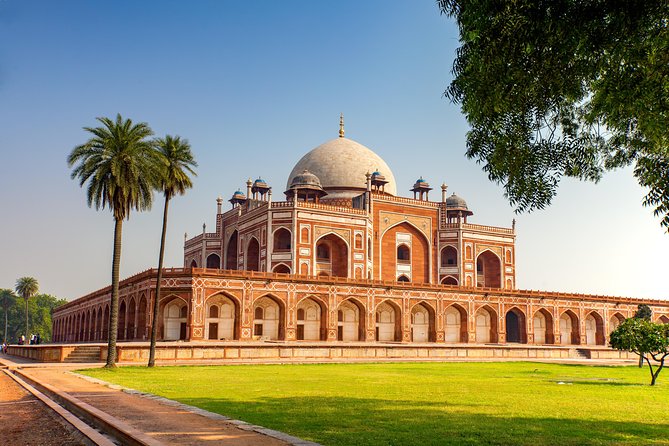
At Humayun’s Tomb, you get a more substantial monument visit. Commissioned by Humayun’s wife after his death, it is considered India’s first garden tomb and helped shape later Mughal design. The red sandstone, white details, formal gardens, and symmetrical layout reward a full hour. Like Qutub Minar, entry is listed separately from the tour price.
The day then turns toward food and markets. You can stop for lunch in Connaught Place, where your guide recommends restaurants. This is convenient, but it is worth asking for choices at different price levels rather than simply following the first suggestion.
Chandni Chowk by tuk-tuk
Old Delhi is the most sensory part of the first day. Chandni Chowk is packed with shops selling spices, dried fruit, jewelry, saris, and everyday goods. The narrow lanes are difficult for a private car, which is why the included tuk-tuk ride is useful.
Nearby Jama Masjid was built in 1656 with the labor of about 5,000 workers. Its huge red sandstone courtyard gives you a strong sense of Mughal scale. Dress respectfully, and remember that entry is listed as an additional cost.
The final Old Delhi stop is Khari Baoli, described as Asia’s largest wholesale spice market. The displays of spices, herbs, and dried fruit are memorable, but this is a working market rather than a polished attraction. Stay close to your guide and keep your belongings secure in the crowded lanes.
After Delhi, your driver takes you to Agra. The drive is listed at about three hours, and you are dropped at your hotel if you select the accommodation option. Since Day 2 begins early, an Agra overnight is much more practical than returning to Delhi.
More Luxury Multi-Day Tours in New Delhi:
- 5 Day Private Luxury Golden Triangle trip Agra &Jaipur from Delhi
★ 5.0 · 259 reviews - From Delhi: Private 4-Day Golden Triangle Luxury Tour
★ 4.8 · 226 reviews - From Delhi: Private 3-Day Golden Triangle Luxury Tour
★ 4.9 · 56 reviews - Private 4-Days Golden Triangle Luxury Tour From Delhi
★ 5.0 · 22 reviews
Day 2: A sunrise Taj Mahal visit
The Taj Mahal is the centerpiece of the route, and the early start is worth accepting. The white marble mausoleum was built by Shah Jahan in 1630 for Mumtaz Mahal. Sunrise light can change the appearance of the marble, and arriving early gives you a calmer visit before the site becomes more crowded.
You have about three hours here, including time for the approach, the monument, photographs, and the explanations from your guide. The tour includes a battery van from the parking area to the gate, which saves energy and avoids a long walk at the start of the day.
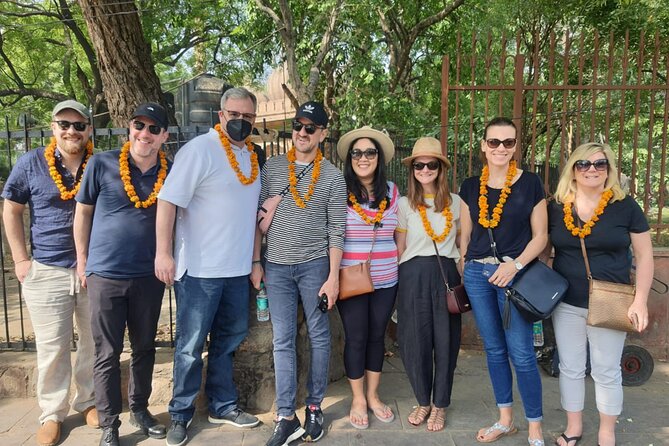
Several Agra guides have received especially strong praise for their storytelling and photography. Maahi has been appreciated for making families feel comfortable, including female visitors who preferred a woman guide. Sadiq and Azzu have been noted for clear explanations, practical help in crowds, and good photo locations. These details matter at the Taj Mahal, where the right timing and viewpoint can make a big difference.
The Taj Mahal is closed every Friday. Also note the schedule rule for Thursday departures: the second day will be in Jaipur rather than Agra. Check the date carefully before you book, especially if the Taj Mahal is your main reason for taking this tour.
Agra Fort and the Baby Taj
After the Taj Mahal, continue to Agra Fort, a UNESCO World Heritage site built in the 17th century. Its courtyards, palaces, and pavilions show the power of the Mughal emperors and help explain the setting around the Taj Mahal. The fort is not merely a second photo stop. It gives useful context for the rulers, family life, and political world behind the famous mausoleum.
The planned visit lasts about an hour. You should expect a fair amount of walking over hard surfaces, so comfortable shoes are sensible.
The smaller Itmad-ud-Daulah, often called the Baby Taj, is a good contrast. It was the first Mughal monument built entirely from white marble and is known for delicate pietra dura inlay. The building is more intimate than the Taj Mahal, and the fine surface work is easier to appreciate at close range.
Your Agra guide can suggest lunch, and this is a good moment to ask for local food that suits your comfort level. Some guides, including Sadiq and Azzu, have been praised for food suggestions as well as monument explanations. If you are interested in shopping, be clear about it. The listed tour does not require a shopping stop, and you should not assume every optional visit is part of the plan.
After lunch, you drive about four hours to Jaipur. You will be taken to your hotel if accommodation is included in your booking. This transfer makes the tour efficient, but it leaves little time for an evening in Jaipur.
Day 3: Forts, palaces, and pink sandstone
Jaipur begins with Jaigarh Fort, built in 1726 by Maharaja Sawai Jai Singh II on the Aravalli hills. The fort gives you broad views and a sense of Jaipur’s military past. Two hours are allowed here, making it one of the longer stops of the day.
The fort is also the most physically demanding visit in Jaipur. Expect slopes, steps, and time outdoors. If you have limited mobility or simply prefer a gentler morning, ask in advance how the schedule can be adjusted.
The Hawa Mahal, or Palace of the Winds, is a short but essential stop. Its five stories and 953 small windows were designed to allow royal women to watch street life without being seen. You generally view the famous pink and red sandstone facade from outside, so 30 minutes is enough for photographs and a short explanation.
At the City Palace, you get a fuller look at Jaipur’s royal center. Courtyards, gardens, and palace buildings show the mix of Rajput and Mughal design. Parts of the complex remain connected with the former royal family. The visit lasts about an hour, and the monument ticket is extra.
Guides such as Arham and Kishor have been praised for making Jaipur’s history easy to follow and for taking photographs at useful locations. If you want more time at a particular courtyard or museum section, tell your guide early. The private format gives you a better chance of adjusting the pace than a fixed group tour.
Jal Mahal and Jantar Mantar
Jal Mahal is viewed from beside Man Sagar Lake. The 17th-century palace appears to float in the water, and the half-hour stop is mainly about the view and photographs. It is a peaceful pause between larger monuments, though you should not expect a long interior visit from the information provided.
Lunch follows in Jaipur, with restaurant suggestions from your guide. Rajasthani food is one of the pleasures of visiting the city, but the tour does not specify a fixed restaurant or meal menu. Ask what is included before ordering.
The final monument is Jantar Mantar, a UNESCO World Heritage observatory built by Sawai Jai Singh II. Its huge instruments were designed for astronomical measurement, and the site makes far more sense with a guide explaining what each structure did. Only about 30 minutes is scheduled, so this is a brisk introduction rather than a full study of the observatory.
At the end of the day, you can return to Delhi by car, a drive of roughly four hours, or choose a drop-off at Jaipur Airport. The airport option is especially useful if Jaipur is the end of your trip. If you return to Delhi, do not plan an important evening flight without allowing extra time for road delays.
Hotels, meals, and what is included
Accommodation is optional and can be upgraded to three-star, four-star, or five-star hotels. When hotel accommodation is selected, the package includes two nights and two breakfasts. Rooms are generally twin-share, while a booking of three people normally uses triple-sharing unless you pay for a second room.
The car, chauffeur, hotel or airport transfers, local guides, parking, tolls, fuel, taxes, service charges, bottled water, the Old Delhi tuk-tuk, and the Taj Mahal battery van are included. Monument tickets are not, and gratuities for the driver and guides are also extra.
For December 24 and 31, hotel bookings require a $99-per-person gala dinner supplement. This applies only when you choose accommodation during those blackout dates.
Free cancellation is available up to 24 hours before the experience begins. Your mobile ticket and valid photo ID on your phone are useful for monument entry.
Who should book this private Golden Triangle tour?
I would recommend it to a first-time visitor with only three days, especially if you want the main sights without arranging intercity transport yourself. Families and couples can benefit from the private vehicle, separate guides, and the option to adjust the schedule.
It also suits people who value practical help at major sites. Guides have been praised for taking photographs, finding good viewpoints, explaining monuments clearly, and helping visitors manage busy areas. A guide such as Maahi may also be a good fit if a woman in your group would feel more comfortable with a female guide.
I would hesitate if you dislike early mornings, long road journeys, or tightly packed sightseeing days. Jaipur receives only one main day, Delhi is crowded with stops, and the route leaves little time for unplanned wandering. You should also budget beyond the advertised $127, since monument tickets and possible hotel costs change the final figure.
Should you book it?
Book this tour if your goal is to see the Golden Triangle highlights efficiently and leave the driving, parking, guides, and hotel transfers to someone else. The sunrise Taj Mahal visit, Old Delhi tuk-tuk ride, and private format give it real practical value.
Choose a slower itinerary if you have four or five days available. But if three days is all you have, this is a well-organized way to cover Delhi, Agra, and Jaipur, provided you accept the early starts, road time, and extra monument fees.
FAQ
What cities does the tour visit?
It visits Delhi, Agra, and Jaipur over approximately three days.
Is hotel accommodation included?
Two nights of accommodation are included only if you book the hotel option. Three-star, four-star, and five-star upgrades are available.
Are monument entrance fees included?
No. Monument fees are listed separately at about $70 per person.
Is the Taj Mahal open every day?
The Taj Mahal is closed every Friday. If you begin the tour on Thursday, the second day will be in Jaipur.
Where can pickup and drop-off take place?
Pickup is offered from Delhi, Noida, Gurugram, Ghaziabad, and Faridabad. The tour can also provide hotel or airport pickup and drop-off in Delhi, Agra, and Jaipur when the relevant details are supplied.
Can the tour end at Jaipur Airport?
Yes. After Jaipur sightseeing, you can return to Delhi or request a drop-off at Jaipur Airport.
What type of vehicle is used?
One or two people travel in a four-seat sedan. Groups of three to five use a six-seat wagon, six to nine use a nine-seat van, and groups of ten to twelve use a twelve-seat van.
New VIP and luxury tours around New Delhi
- From Delhi: Taj Mahal & Agra Fort Luxury Tour with 5* Lunch★ 5.0 · 13 reviews
- Private 4-Days Golden Triangle Luxury Tour From Delhi★ 5.0 · 22 reviews
- From Delhi: Private 3-Day Golden Triangle Luxury Tour★ 4.9 · 56 reviews
- From Delhi: Private 4-Day Golden Triangle Luxury Tour★ 4.8 · 226 reviews
- From Delhi: 5 Days Private Luxury Golden Triangle Tour★ 3.7 · 10 reviews
- From Delhi Exclusive Taj Mahal Private Tour with Luxury Car★ 5.0 · 21 reviews
- Agra: Taj Mahal Vip tickets with Professional Photographer★ 3.6 · 5 reviews
- 5 Day Private Luxury Golden Triangle trip Agra &Jaipur from Delhi★ 5.0 · 259 reviews
More of the best New Delhi Luxury Tours

All Inclusive Private Taj Mahal Luxury Tour from Delhi by Car
Read our review →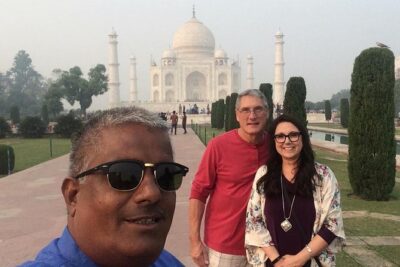
Four-Day Private Luxury Golden Triangle Tour to Agra and Jaipur From New Delhi
Read our review →
4-Days Private Golden Triangle Tour: Delhi, Agra & Jaipur by Car
Read our review →
Private Luxury Delhi – Agra – Jaipur Golden Triangle Tour – 3 Nights 4 Days
Read our review →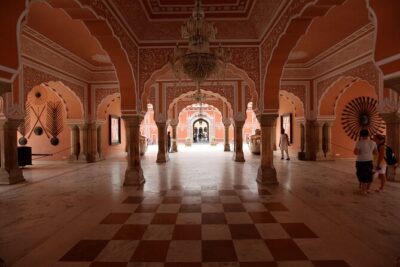
5 Day Private Luxury Golden Triangle trip Agra &Jaipur from Delhi
Read our review →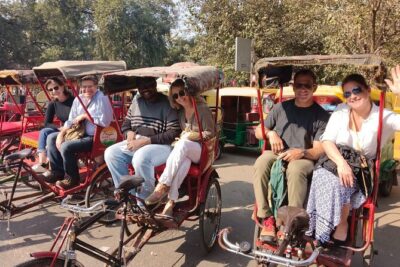
From Delhi: Private 4-Day Golden Triangle Luxury Tour
Read our review →
From Delhi Exclusive Taj Mahal Private Tour with Luxury Car
Read our review →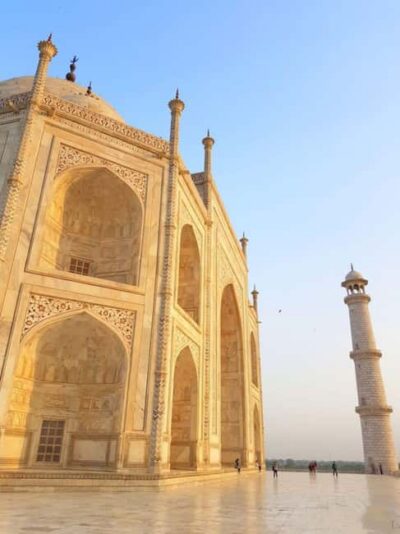
From Delhi: Taj Mahal & Agra Fort Luxury Tour with 5* Lunch
Read our review →Lists this tour is ranked in