
Review · KATHMANDU
Luxury Kailash Mansarovar Yatra – 15 days
Mount Kailash is the main event here, but the journey earns its meaning slowly: Kathmandu temples, the Nepal-Tibet border, Lake Manasarovar, and finally the three-day Kailash Kora. I like the early preparation in Kathmandu, including a group briefing, down jacket, duffle bag, and welcome dinner. I also like the built-in spare day, since weather and border delays are real concerns.
The hard truth is that this is not a soft luxury holiday. You will reach altitudes above 5,600 meters, spend long hours in vehicles, and sleep in basic accommodation during the trek. The $3,999 price covers a great deal of support, but you still need fitness, patience, and a serious attitude toward altitude.
Key points to know before booking
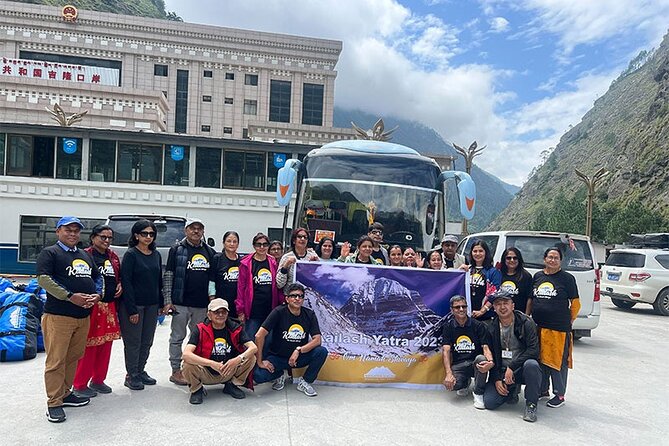
- Mount Kailash Kora: Three days include Derapuk, the optional Charan Sparsh hike, Dolma-La Pass, Gauri Kund, and Zutulphuk Valley.
- High-altitude challenge: The route reaches Mayum La at 5,200 meters and Dolma-La at 5,636 meters.
- Strong staff support: Sagar Pandey, Shankar Bhatt, Sagarbhai, Reezu, and guides such as Bir Bahadur, Sanket, and Dawa Sherpa are named in the company’s service accounts.
- Useful Kathmandu start: You receive a briefing, down jacket, and duffle bag before heading toward Tibet.
- Meals in remote places: Breakfast, lunch, and dinner are included on much of the trip, with hot meals prepared in remote areas.
- A sensible buffer day: Day 14 gives the schedule room for bad weather, road problems, or border delays.
Why this 15-day pilgrimage is different
I would describe this as a supported pilgrimage with long road transfers, not a conventional luxury tour. The word luxury makes more sense in relation to organization and support than to every bed or meal.
You pay $3,999 per person for a 15-day program from Kathmandu. That price includes airport pickup, accommodation, much of the food, Tibetan and Nepalese ground support, trekking equipment in the form of a down jacket and duffle bag, and transport through a remote part of the Himalayas. It does not include an internal flight, personal expenses, or tips.
The value depends on what you would otherwise have to arrange yourself. Border formalities, high-altitude transport, meals, guides, and a rescue-minded support structure are difficult to organize independently in this region. I also like that the company has a maximum group size of 25 for this activity, although group size and operating arrangements should be confirmed before payment.
The main cost is not just the road distance. It is the planning needed to move a group across Nepal and Tibet, manage border procedures, provide food at remote stops, and keep the schedule flexible. Still, you should not confuse that support with an easy trip. The Kora remains physically demanding, and conditions can change.
More Luxury Multi-Day Tours in the world:
- 2-Day Luxury Halong Bay Aspira Cruise from Hanoi
★ 5.0 · 1,517 reviews - Majestic Desert: 3-Day Luxury Journey from Marrakech to Fes
★ 4.9 · 1,437 reviews - From Marrakech: 3-Day Desert with luxury camp, camel & meals
★ 4.6 · 922 reviews
Kathmandu preparation at the Aloft by Marriott
Day 1 gives you a practical landing in Kathmandu. After airport pickup, the company collects your passport to help with the Tibet visa process, then brings you to the Aloft by Marriott.
The group meeting matters more than it may first appear. You receive guidance about the route, altitude, packing, and general preparation before leaving the city. You also receive a down jacket and duffle bag for the trip, which saves room in your luggage and gives you a basic layer suited to the cold conditions ahead.
The welcome dinner at a Nepalese restaurant is a pleasant way to meet the group. Food is part of the social side of a pilgrimage, and this first meal gives you a chance to learn who you will be sharing vehicles, hotels, and high mountain days with.
Day 2 adds three major Kathmandu sites. Pashupatinath Temple is one of the most important Hindu shrines dedicated to Shiva. Its location beside the Bagmati River makes it a meaningful first spiritual stop, with worshippers carrying out rituals and prayers.
Boudhanath Stupa gives the day a Tibetan Buddhist connection. Walking around the prayer wheels is quiet and simple, but it helps set the tone for the journey toward Tibet.
Patan Durbar Square brings art and architecture into the picture. Krishna Mandir, the Patan Museum, Newari carvings, and the old temple complex show you the culture of the Kathmandu Valley before the trip turns toward open mountain country.
The timing is not rushed, but the listed visit to Boudhanath is unusually brief at one minute. Treat the day as a guided introduction rather than a long museum visit. If you want more time in Kathmandu, Day 14 may allow optional visits to Bhaktapur Durbar Square or Swayambhunath.
The rough road to Kerung and the Tibet border
Day 3 is a long road day. The drive from Kathmandu to Rasuwa Gadhi takes about six to seven hours over roughly 140 kilometers. That distance sounds modest, but mountain roads and stops make this a full day.
You pass Trishuli Bazaar, Syabrubesi, and smaller settlements, with green hills, waterfalls, terraced fields, and views along the Bhote Koshi River. This is one of the more human parts of the route. You see villages and farmland before the country becomes higher, drier, and more severe.
Rasuwa Gadhi sits at about 1,800 meters. On Day 4, you walk to the Nepalese immigration checkpoint to complete departure formalities, then enter Chinese immigration. The Chinese side is described as careful and exact, so keep documents organized and expect the crossing to take time.
Once admitted, you meet the Tibetan guide and driver. The road continues to Kerung, also called Gyirong, at about 2,700 meters. The short walk around town is useful for acclimatization, but do not treat it as a sightseeing challenge. At this point, the best choice is to eat, drink, rest, and let your body adjust.
The border is one reason a prepared company is valuable. It is also one reason you need patience. Timings can shift, and the contingency day later in the schedule is not decorative.
Saga and the first serious altitude gain
Day 5 takes you from Kerung to Saga. The drive covers rolling hills, broad valleys, high passes, rivers, and open Tibetan plains. By the time you reach Saga, the elevation is about 4,500 meters.
That jump is significant. You may feel breathless during simple movements, and a short walk can feel harder than expected. The program wisely ends the day with rest and acclimatization rather than another major activity.
The road scenery is a major reward, but you should not measure the day by how many photo stops you make. The more important task is arriving in Saga in reasonable shape for the next rise in altitude. Keep water close, eat even if your appetite is poor, and report concerning symptoms to the support team.
The company’s service record places strong emphasis on guides and cooks. Names connected with the operation include Sagar Pandey, Shankar Bhatt, Sagarbhai, Reezu, Bir Bahadur, Sanket, and Dawa Sherpa. The individual staff assigned to your departure may differ, so confirm that before you go.
More luxury tours around the world:
- Amsterdam Luxury Canal Cruise + Unlimited Drinks & Bites option
★ 5.0 · 30,518 reviews - Dubai Marina: Luxury Yacht Tour with Breakfast or BBQ Option
★ 4.7 · 21,528 reviews - Dubai: The Luxury Yacht Tour with Live BBQ Option
★ 4.7 · 13,665 reviews - Club Mobay Sangster Airport VIP Lounge with Priority Entry
★ 4.5 · 10,510 reviews
Lake Manasarovar and the contrast with Raksas Tal
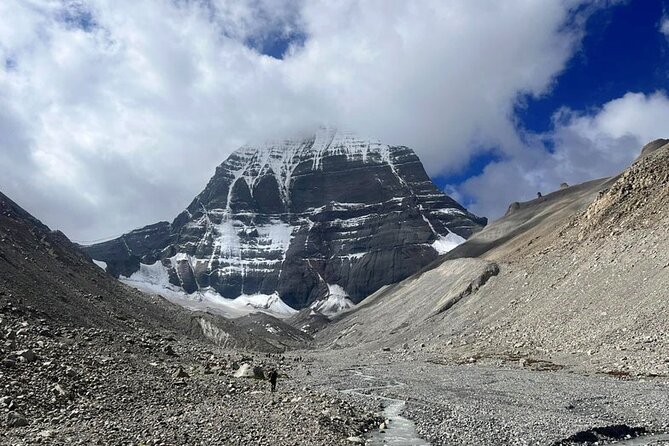
Day 6 brings one of the trip’s great visual moments: Lake Manasarovar. The route crosses Mayum La at about 5,200 meters before reaching the lake at roughly 4,590 meters.
You travel through wide, spare country with snow-covered peaks, bare plains, and changing light. The first view of Mount Kailash in the distance can feel powerful even before the Kora begins.
Lake Manasarovar is sacred to several traditions, especially Hindu pilgrims. Its importance is not only scenic. This is a place for prayer, reflection, and ritual, and the schedule gives you time beside the water rather than treating it as a quick roadside photograph.
Day 7 begins with Havan Puja beside the lake. For Hindu pilgrims, the ceremony is an important act of purification and blessing before the circumambulation.
The drive then continues to Darchen, the base town for the Kora. Along the way, you stop at Raksas Tal, or Lake Rakshastal. Its religious meaning contrasts with that of Manasarovar, and the two lakes together give the route a strong sense of spiritual balance.
Darchen is functional rather than charming. It is a staging point, with other pilgrims, guides, supplies, and the final checks before the trek. Use the evening to sort your daypack, limit unnecessary baggage, and get as much rest as you can.
The north face of Mount Kailash at Derapuk
Day 8 starts the Kora. After breakfast, a vehicle takes you from Darchen to Yam Dwar, known as the Gateway of the God of Death. This is where pilgrims pray and make offerings before walking.
The first section leads toward Derapuk. It is described as moderate, but altitude changes the meaning of that word. The route includes rugged ground, valleys, and streams, with views of the north face of Mount Kailash becoming more dramatic as you go.
Derapuk is the reward for the first day. The mountain appears close and imposing, and the setting gives you time to think rather than rush from one attraction to another.
Accommodation here is a basic teahouse or camp. This is an important reality check for the word luxury. Facilities on the Kora are limited, and comfort depends as much on your preparation as on the company’s support.
Charan Sparsh, an optional day near the mountain
Day 9 is set aside for Charan Sparsh, meaning Touch of the Feet. The trail begins at Derapuk and reaches the base of the north face.
This hike is optional. It is best for people who are well acclimatized and handling the altitude comfortably. You should not feel pressure to join simply because it is available. Resting at Derapuk, meditating, and saving strength for Dolma-La may be the wiser choice.
That flexibility is one of the better features of the schedule. The pilgrimage has spiritual goals, but the mountain does not reward stubbornness. If you are tired, short of breath, or unwell, stay back and speak with the guide team.
Dolma-La Pass and the hardest day
Day 10 is the physical test. You leave Derapuk early and climb toward Dolma-La Pass at 5,636 meters, the highest point of the Kora.
The ascent is steep, the ground is rough, and the thin air makes every step count. You should expect a slow pace, frequent pauses, and a long day. This is not the place for a last-minute fitness experiment.
At the pass, Shiva-sthal is associated with offerings and prayers for forgiveness and liberation. The route then passes Gauri Kund, the Lake of Compassion, associated with Goddess Parvati.
After the pass comes a steep descent into Zutulphuk Valley. Descending can be tough on knees and balance, so trekking poles may be useful, though the supplied information does not confirm that they are provided. Pack only what you truly need for the day.
Completing the Kora and returning to Saga
Day 11 finishes the circumambulation with a three-hour walk from Zutulphuk Monastery to the pickup point. Completing the Kora is a major milestone, both physically and spiritually.
A vehicle then takes you back to Saga. This return drive gives you space to reflect, but it is still a long road day. You may be tired enough to value a simple meal and bed more than any extra activity.
Day 12 retraces the route from Saga to Kerung. The open plains, mountain views, and Tibetan settlements look different on the way back because you now understand what the route was leading toward.
Day 13 crosses back into Nepal through Rasuwa Gadhi. Border and customs procedures come first, followed by the drive through Langtang National Park toward Kathmandu. The road takes about one to one and a half hours to the border, then continues through hills, waterfalls, and valleys.
A helicopter return is available for an additional charge. The flight takes about 45 minutes and offers an aerial view of the Himalayas. This is a useful option if the long road return sounds too tiring, but you should confirm availability, cost, weather limits, and exact pickup arrangements before booking.
The value of food, staff, and contingency time
Meals are included in varying amounts: 14 breakfasts, 11 lunches, and 12 dinners. That leaves some meals for your own account, so do not assume every meal across all 15 days is covered.
The strongest service feature is the food operation in remote places. The company has prepared hot meals even far from normal town facilities, and the cooking team is repeatedly credited with helping make the trip manageable. On a high-altitude journey, a hot meal is not a small luxury. It can restore energy and morale.
The support team also receives strong praise for looking after individual needs. People traveling alone have been placed into welcoming groups, and staff members have been described as attentive and family-like. That matters on a trip where you may need help carrying concerns to the right person.
Day 14 is held as a contingency day for weather, roads, border delays, or other interruptions. If the schedule runs smoothly, you can rest in Kathmandu, visit Bhaktapur or Swayambhunath, shop in Thamel, or book a spa or Ayurvedic treatment.
Day 15 ends with breakfast and airport transfer. The return is simple, but after the Kora, that simplicity is welcome.
Who should book this Yatra?
You should consider this trip if you want the major sacred sites in one organized route and are willing to accept hard conditions. It suits a pilgrim who values support, group companionship, hot food, and help with complex border travel.
You should think twice if you expect hotel-level comfort throughout. The Kathmandu stay is more polished, but the Tibetan road stops and Kora accommodation are basic. You also need moderate physical fitness and the ability to cope with high altitude.
The 100 percent recommendation rate and 4.9 rating from 14 reviews suggest very strong satisfaction, especially with organization, food, guides, and staff care. That is useful evidence, but it does not remove the need to ask current questions about permits, medical support, group size, hotel names, meal coverage, and weather procedures.
Should you book the $3,999 Kailash Mansarovar Yatra?
I would book this if your priority is reaching Mount Kailash and Lake Manasarovar with a structured support team rather than arranging the route alone. The itinerary includes the essential spiritual sites, a full Kora, a useful preparation period in Kathmandu, and a spare day for problems.
I would not book it casually. The altitude is severe, the Kora is demanding, and luxury ends where the mountain trail begins. Prepare properly, confirm what is included, and be honest about your fitness.
For the right pilgrim, the value is in the organization, the staff, the meals, and the chance to focus on the journey instead of managing every border crossing and road transfer yourself.
FAQ
How long is the Kailash Mansarovar Yatra?
The experience lasts approximately 15 days, beginning and ending in Kathmandu, Nepal.
What is the price?
The listed price is $3,999 per person.
Where does the tour start?
The meeting point is Himalayan Glacier Adventure and Travel Company on Amrit Marg in Kathmandu.
Is airport pickup available?
Yes. Pickup is offered, and the first day includes transfer from Tribhuvan International Airport to the accommodation.
What accommodation is used in Kathmandu?
The first night is at the Aloft by Marriott in Kathmandu. Accommodation in Tibet includes hotels and, during the Kora, a basic teahouse or camp at Derapuk.
How high does the route go?
The route reaches about 5,200 meters at Mayum La and 5,636 meters at Dolma-La Pass.
Is the Mount Kailash Kora included?
Yes. The itinerary includes the circumambulation from Yam Dwar through Derapuk, Dolma-La, Zutulphuk, and the final pickup point.
Is the Charan Sparsh hike required?
No. The Charan Sparsh hike on Day 9 is optional. You can rest at Derapuk instead.
What meals are included?
The package lists 14 breakfasts, 11 lunches, and 12 dinners. Personal expenses and some meals are not included.
What is not included in the price?
Internal flights, personal expenses, and tips are not included. A helicopter return from the Tibet-Nepal route is also available at an additional cost.
How large is the group?
The activity lists a maximum of 25 participants.
What happens if weather causes a delay?
The itinerary includes a contingency day in Kathmandu. If the experience is canceled because of poor weather, you can be offered another date or a full refund.
New VIP and luxury tours around the world
- Normandy Battlefields D-Day Private Trip with VIP Services from Paris★ 5.0 · 240 reviews
- Luxury Luxury Wine Tour Experience★ 5.0 · 69 reviews
- 2-Day Private VIP Sightseeing Tour of Beijing City Highlights and Great Wall★ 5.0 · 7 reviews
- Stonehenge Half-Day luxury guided tour from Bath for 2-8★ 5.0 · 15 reviews
- WW2 VIP landing beaches tour – half day★ 5.0 · 6 reviews
- Luxury Shared Boat Tour in Polignano a Mare with Local Aperitif★ 5.0 · 30 reviews
- Polignano a Mare luxury boat tour, aperitif, diving and snorkeling★ 5.0 · 51 reviews
- Luxury Range Rover Barossa Valley Half Day Private Tour For 2★ 5.0 · 10 reviews
More of the best Kathmandu Luxury Tours
Nepal in Luxury: Kathmandu, Chitwan & Pokhara Escape – 8 Days
Read our review →
Lists this tour is ranked in